Brand strategy
Brand strategy
1. What are the processes of brand strategy development?
Lee Federiksen highlight the 10 steps for a brand development strategy.
1. Consider your overall business strategy. A strong, well differentiated brand
will make growing your firm much easier. But what type of firm do you
want? Are you planning to grow organically? Your overall business
strategy is the context for your brand development strategy, so that's
the place to start. If you are clear about where you want to take your
firm, your brand will help you get there.
2. Identify your target clients. Who are your target clients? If you say “everybody” you are making a very big mistake. Our research clearly shows that high growth, high profit firms are focused on having clearly defined target clients. The narrower the focus, the faster the growth. The more diverse the target audience, the more diluted your marketing efforts will be. So how do you know if you have chosen the right target client group? That’s where the next step comes in.
3. Research your target client group. Firms that do systematic research on their target client group grow faster and are more profitable (see figure below). Further, those that do research more frequently (at least once per quarter) grow faster still.
Research helps you understand your target client’s perspective and priorities, anticipate their needs and put your message in language that resonates with them. It also tells you how they view your firm’s strengths and your current brand. As such, it dramatically lowers the marketing risk associated with brand development.
- See more at: http://www.hingemarketing.com/blog/story/a_10_step_brand_development_strategy_for_your_professional_services_firm#sthash.bWBeMPnK.dpuf
1. Consider your overall business strategy. You need to take into account the future of your company. How you want to make it growth.2. Identify your target clients. Who are your target clients? If you say “everybody” you are making a very big mistake. Our research clearly shows that high growth, high profit firms are focused on having clearly defined target clients. The narrower the focus, the faster the growth. The more diverse the target audience, the more diluted your marketing efforts will be. So how do you know if you have chosen the right target client group? That’s where the next step comes in.
3. Research your target client group. Firms that do systematic research on their target client group grow faster and are more profitable (see figure below). Further, those that do research more frequently (at least once per quarter) grow faster still.
Research helps you understand your target client’s perspective and priorities, anticipate their needs and put your message in language that resonates with them. It also tells you how they view your firm’s strengths and your current brand. As such, it dramatically lowers the marketing risk associated with brand development.
- See more at: http://www.hingemarketing.com/blog/story/a_10_step_brand_development_strategy_for_your_professional_services_firm#sthash.bWBeMPnK.dpuf
2. Identify your target clients. You need to clearly identify your target to grow fast. You concentrate your marketing effort on one target.
3. Research your target client group. Researches helps you to understand and anticipate clients needs. You also have a feedback on your brand image. At least one research each quarter.
4. Develop your brand positioning. A clear one to differentiate from competitors.
5. Develop your messaging strategy. The aim is to translate your positioning to various sentences for your different targets because each target group is not interesting on the same aspect of the positioning.
6. Develop your name, logo and tag line. They symbolized the brand.
7. Develop your content marketing strategy. Increasing visibility and reputation. Both simultaneously !
8. Develop your website. Online content is central to any modern brand development strategy.
9. Build your marketing toolkit. Make a brochure with all the marketing tools used and the results of them. To be constant in the next campaign.
10. Implement, track and adjust.
These are the step to have a growth and profitability firm.
1. Consider your overall business strategy. A strong, well differentiated brand
will make growing your firm much easier. But what type of firm do you
want? Are you planning to grow organically? Your overall business
strategy is the context for your brand development strategy, so that's
the place to start. If you are clear about where you want to take your
firm, your brand will help you get there.
2. Identify your target clients. Who are your target clients? If you say “everybody” you are making a very big mistake. Our research clearly shows that high growth, high profit firms are focused on having clearly defined target clients. The narrower the focus, the faster the growth. The more diverse the target audience, the more diluted your marketing efforts will be. So how do you know if you have chosen the right target client group? That’s where the next step comes in.
3. Research your target client group. Firms that do systematic research on their target client group grow faster and are more profitable (see figure below). Further, those that do research more frequently (at least once per quarter) grow faster still.
Research helps you understand your target client’s perspective and priorities, anticipate their needs and put your message in language that resonates with them. It also tells you how they view your firm’s strengths and your current brand. As such, it dramatically lowers the marketing risk associated with brand development.
- See more at: http://www.hingemarketing.com/blog/story/a_10_step_brand_development_strategy_for_your_professional_services_firm#sthash.bWBeMPnK.dpuf
2. Identify your target clients. Who are your target clients? If you say “everybody” you are making a very big mistake. Our research clearly shows that high growth, high profit firms are focused on having clearly defined target clients. The narrower the focus, the faster the growth. The more diverse the target audience, the more diluted your marketing efforts will be. So how do you know if you have chosen the right target client group? That’s where the next step comes in.
3. Research your target client group. Firms that do systematic research on their target client group grow faster and are more profitable (see figure below). Further, those that do research more frequently (at least once per quarter) grow faster still.
Research helps you understand your target client’s perspective and priorities, anticipate their needs and put your message in language that resonates with them. It also tells you how they view your firm’s strengths and your current brand. As such, it dramatically lowers the marketing risk associated with brand development.
- See more at: http://www.hingemarketing.com/blog/story/a_10_step_brand_development_strategy_for_your_professional_services_firm#sthash.bWBeMPnK.dpuf
1. Consider your overall business strategy. A strong, well differentiated brand
will make growing your firm much easier. But what type of firm do you
want? Are you planning to grow organically? Your overall business
strategy is the context for your brand development strategy, so that's
the place to start. If you are clear about where you want to take your
firm, your brand will help you get there.
2. Identify your target clients. Who are your target clients? If you say “everybody” you are making a very big mistake. Our research clearly shows that high growth, high profit firms are focused on having clearly defined target clients. The narrower the focus, the faster the growth. The more diverse the target audience, the more diluted your marketing efforts will be. So how do you know if you have chosen the right target client group? That’s where the next step comes in.
3. Research your target client group. Firms that do systematic research on their target client group grow faster and are more profitable (see figure below). Further, those that do research more frequently (at least once per quarter) grow faster still.
Research helps you understand your target client’s perspective and priorities, anticipate their needs and put your message in language that resonates with them. It also tells you how they view your firm’s strengths and your current brand. As such, it dramatically lowers the marketing risk associated with brand development.
- See more at: http://www.hingemarketing.com/blog/story/a_10_step_brand_development_strategy_for_your_professional_services_firm#sthash.bWBeMPnK.dpuf
2. Identify your target clients. Who are your target clients? If you say “everybody” you are making a very big mistake. Our research clearly shows that high growth, high profit firms are focused on having clearly defined target clients. The narrower the focus, the faster the growth. The more diverse the target audience, the more diluted your marketing efforts will be. So how do you know if you have chosen the right target client group? That’s where the next step comes in.
3. Research your target client group. Firms that do systematic research on their target client group grow faster and are more profitable (see figure below). Further, those that do research more frequently (at least once per quarter) grow faster still.
Research helps you understand your target client’s perspective and priorities, anticipate their needs and put your message in language that resonates with them. It also tells you how they view your firm’s strengths and your current brand. As such, it dramatically lowers the marketing risk associated with brand development.
- See more at: http://www.hingemarketing.com/blog/story/a_10_step_brand_development_strategy_for_your_professional_services_firm#sthash.bWBeMPnK.dpuf
1. Consider your overall business strategy. A strong, well differentiated brand
will make growing your firm much easier. But what type of firm do you
want? Are you planning to grow organically? Your overall business
strategy is the context for your brand development strategy, so that's
the place to start. If you are clear about where you want to take your
firm, your brand will help you get there.
2. Identify your target clients. Who are your target clients? If you say “everybody” you are making a very big mistake. Our research clearly shows that high growth, high profit firms are focused on having clearly defined target clients. The narrower the focus, the faster the growth. The more diverse the target audience, the more diluted your marketing efforts will be. So how do you know if you have chosen the right target client group? That’s where the next step comes in.
3. Research your target client group. Firms that do systematic research on their target client group grow faster and are more profitable (see figure below). Further, those that do research more frequently (at least once per quarter) grow faster still.
Research helps you understand your target client’s perspective and priorities, anticipate their needs and put your message in language that resonates with them. It also tells you how they view your firm’s strengths and your current brand. As such, it dramatically lowers the marketing risk associated with brand development.
- See more at: http://www.hingemarketing.com/blog/story/a_10_step_brand_development_strategy_for_your_professional_services_firm#sthash.bWBeMPnK.dpufv
2. Identify your target clients. Who are your target clients? If you say “everybody” you are making a very big mistake. Our research clearly shows that high growth, high profit firms are focused on having clearly defined target clients. The narrower the focus, the faster the growth. The more diverse the target audience, the more diluted your marketing efforts will be. So how do you know if you have chosen the right target client group? That’s where the next step comes in.
3. Research your target client group. Firms that do systematic research on their target client group grow faster and are more profitable (see figure below). Further, those that do research more frequently (at least once per quarter) grow faster still.
Research helps you understand your target client’s perspective and priorities, anticipate their needs and put your message in language that resonates with them. It also tells you how they view your firm’s strengths and your current brand. As such, it dramatically lowers the marketing risk associated with brand development.
- See more at: http://www.hingemarketing.com/blog/story/a_10_step_brand_development_strategy_for_your_professional_services_firm#sthash.bWBeMPnK.dpufv
- Which type of processes are involved?
Brand extension by Doyle´s in 1994. A brand extension means using a brand name successfully established for one segment or channel to enter another one in the same broad market. Brand stretching means transferring the successful brand name to quite different markets.
1. Brand extensions involve the use of an established brand name to enter a new product category (Aaker and Keller, 1990). Examples include Sony’s mobile telephones (vs televisions and stereos), Virgin cola (vs records and airline)
2. Line extensions, in contrast, involve the use of an established brand name for a new offering in the same product category (Reddy et al., 1994). Examples would include Diet Coke, Ariel Color, Tide Liquid and Mercedes “S” class.
3. New product development process. Developing brand or line extensions is one type of new product development (NPD). NPD in general is a very expensive activity for firms to undertake.
Brand extension by Doyle´s in 1994. A brand extension means using a brand name successfully established for one segment or channel to enter another one in the same broad market. Brand stretching means transferring the successful brand name to quite different markets.
1. Brand extensions involve the use of an established brand name to enter a new product category (Aaker and Keller, 1990). Examples include Sony’s mobile telephones (vs televisions and stereos), Virgin cola (vs records and airline)
2. Line extensions, in contrast, involve the use of an established brand name for a new offering in the same product category (Reddy et al., 1994). Examples would include Diet Coke, Ariel Color, Tide Liquid and Mercedes “S” class.
3. New product development process. Developing brand or line extensions is one type of new product development (NPD). NPD in general is a very expensive activity for firms to undertake.
2. Who is involved in brand strategy development?
Three functions played a key role in development : Marketing, R&D and Sales departments.The decision comes from the head office.
3. How to set up brand architecture?
Brand architecture provide the rules for naming the assets in the brand portfolio. It specifies the relationship between them. It determines marketing investment priorities and whether and how new acquisitions should be included to the portfolio.
Principles of brand architecture :
- Identify and invest in the fewest number of brands needed to meet business goals. Today, that is Brands A, B and C
- Create new brand(s) only when a business case (including target customer insight) has been proven and necessary multi-year support has been confirmed
- Minimize the proliferation of sub-brands by using endorsed brands, product extensions or product descriptors
- Maximize understanding and minimize confusion by using descriptive or generic terms for product extensions or product descriptors

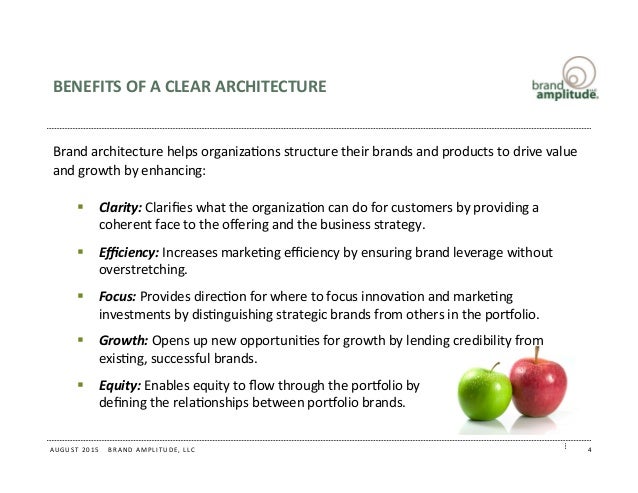
However it exist different types of brand architecture

example :
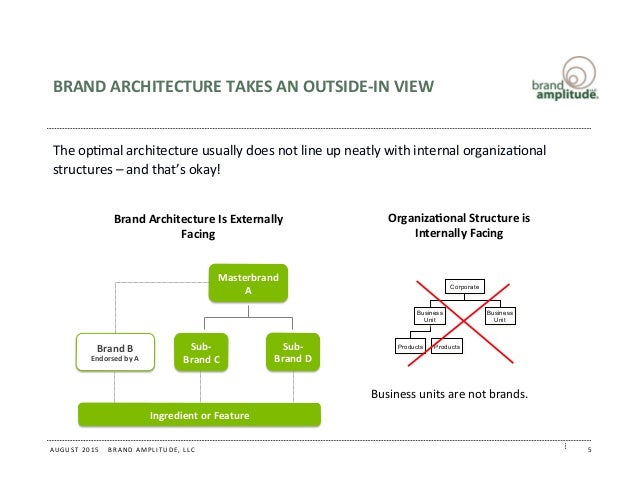

- How to plan and manage brand architecture?
Brand architecture development process
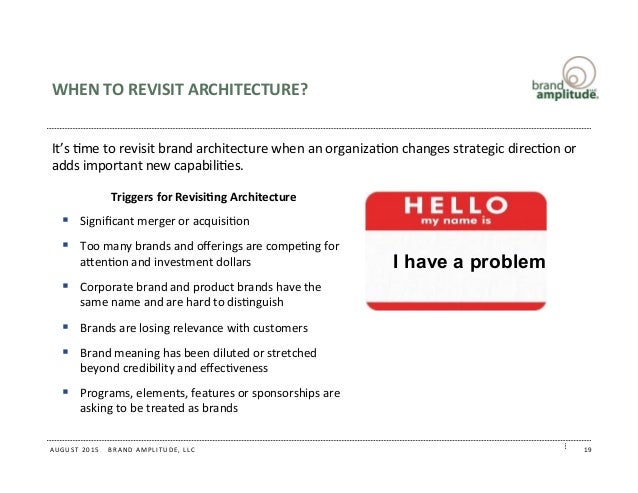
Brand architecture development process
To manage it, companies need to do audit regularly in order to see if the model still works internaly but also externally. Thqt's why they do competitive intelligence to be aware to changes from the environment.
Sources :
http://www.emeraldinsight.com/doi/full/10.1108/10610429710186752
http://fr.slideshare.net/CarolPhillips/brand-architecture-toolkit-final22509
http://www.emeraldinsight.com/doi/full/10.1108/10610429710186752
http://fr.slideshare.net/CarolPhillips/brand-architecture-toolkit-final22509

Aucun commentaire:
Enregistrer un commentaire